
Published March 2026 · 6 min read
Net permanent and long-term arrivals hit a record-breaking 480,520 in 2025 — exceeding the previous 2023 record by 7 per cent. At the exact same time, housing approvals fell annually by 15 per cent. This widening chasm helped push national dwelling prices up by about $80,000.
The Numbers Don't Lie
Independent property research group FoundIt, working alongside the Institute of Public Affairs, has produced the most comprehensive modelling yet on the relationship between migration intake and housing affordability. The findings are unambiguous.
Record Net Arrivals
Permanent & long-term arrivals have shattered pre-COVID levels
Net Permanent & Long-Term Arrivals
Thousands of persons, annual — Source: IPA, ABS
2025 arrivals hit a record-breaking 480,520 — 7% above the previous 2023 record
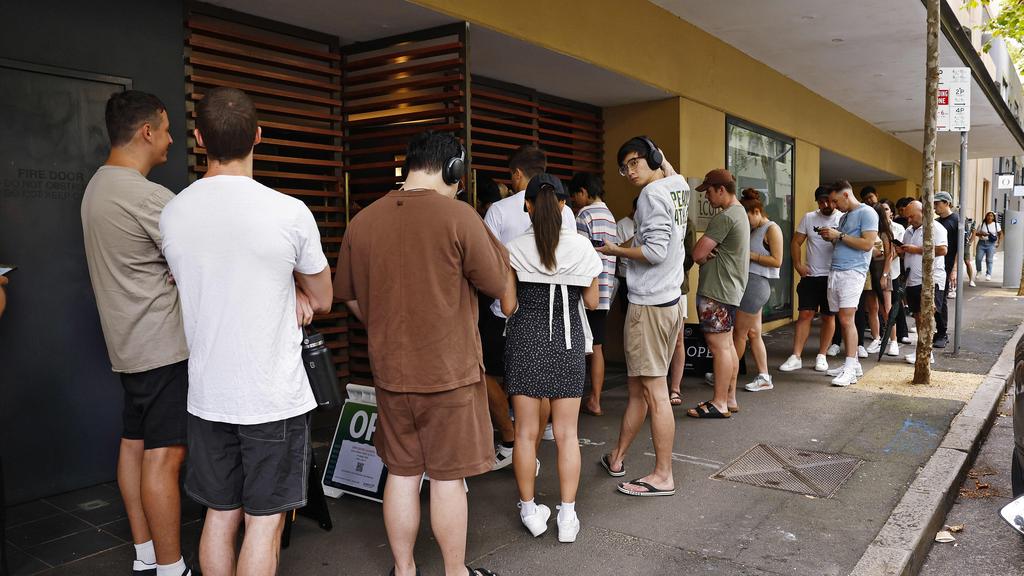
Experts say migration has had the most acute impact on the rental market, where long lines at open homes have become the norm.Picture: Sam Ruttyn
What If We Cut Migration?
FoundIt has modelled a scenario where migration is cut by roughly 100,000 to return to pre-COVID levels. The results offer a clear roadmap for relief.
Sydney prices, otherwise on track for a 2 per cent gain, would drop by about 1 per cent. Brisbane, Adelaide, and Perth — currently running red-hot — would cool to a more sustainable 3 to 4 per cent annual growth range.
Projected Price Impact of Migration Cuts
Current trajectory vs. reduced migration scenario by capital city
Projected Price Growth: Current vs Migration Cut Scenario
Annual % change — Source: FoundIt Research, 2026
Aligning migration with building completions would strip 2–3% off national home price growth annually
"The sub-$750,000 market is the most competitive in the country. That's where first-home buyers reliant on small deposits and investors often compete. If we ease migration, it helps that market."
Critically, the relief would target where it's needed most: the sub-$750,000 entry-level market, where first-home buyers and investors compete most fiercely for limited stock.
"Migration cuts could work — and deliver rental relief in about six months."
SQM Research director Louis Christopher agreed, noting the strongest impact would be felt in gateway cities Sydney and Melbourne, where the largest share of new arrivals settle.

Housing demand remains elevated as higher migration levels drive up rents, which in turn spill over into the purchasing markets.Picture: Rohan Kelly
Full Analysis
Read the Complete Immigration Economy Report
This article is part of our comprehensive investigation into how population policy is reshaping Australia's economy.
Read Full Report →