
Fantasy PricesCost Real Money
There is a conversation I have with sellers almost every week, and it is the hardest one in real estate: the price you hope for and the price the market will pay are not always the same number. Here is why the first four weeks matter more than any other.
By Tony Lawson · Principal Agent, tonylawson exp & HOSO
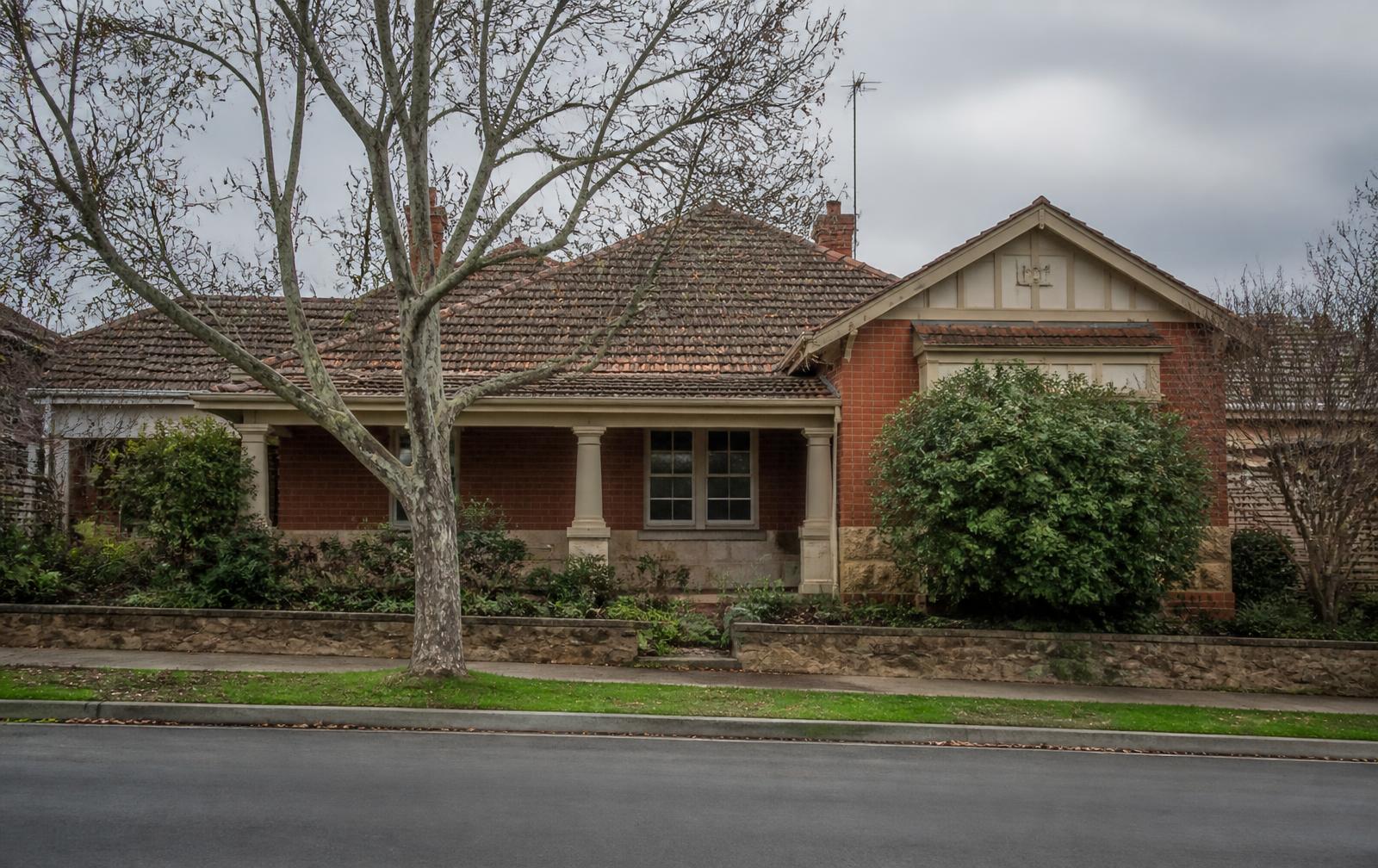
Sell in Four Weeks, or Start Chasing the Market
I read a piece out of the Gold Coast this week that stopped me in my tracks, because it said out loud what many of us in the industry have been saying quietly to our own clients. A leading Queensland agent put a number on it: around 28 days on market is the new benchmark for a successful sale in 2026.
I think he is right, and I do not think this is a Gold Coast story. I think it applies here in Adelaide's northern suburbs just as much as it does over there.
The logic is simple. When your listing is fresh, every active buyer in your price bracket sees it in the first fortnight. They inspect, they compare, and they either engage or they move on. By week five or six, the buyers who remain are different people. They have seen your listing sitting there, and they start asking the one question no seller wants to hear: what is wrong with it?
A listing does not age like wine. It ages like bread.

The Price You Want vs the Price That Sells
Every seller has a number in their head. Often it comes from a neighbour's result eighteen months ago, or a boom-time record down the street, or simply what they need for the next chapter of their life. I understand that. These are not greedy people; they are normal people who watched their suburb climb for years.
But the market does not pay for memories, and it does not pay for what your neighbour got at the peak. It pays what a qualified buyer, today, with today's lending limits and today's caution, is prepared to offer.
Over on the Gold Coast, prices slipped 0.3 per cent in the June quarter after rising more than 15 per cent over the previous year. That is not a crash. It is something more subtle: a market that has stopped rewarding optimism. Buyers are still out there in strong numbers, but they are selective, patient and well informed.
I am seeing the same behaviour here. Good homes, priced honestly, are still selling well and selling quickly. Homes priced at yesterday's peak are sitting, week after week, while the owners burn through their best buyers.
What the Numbers Actually Show
This is not a feeling. It is a pattern I can draw on a chart, and it looks the same on almost every campaign I run. Buyer attention arrives in a wave at launch, peaks within a fortnight, and then drains away week after week no matter how good the home is.
Buyer Interest Falls Off a Cliff
Enquiry and interest levels for a typical campaign, indexed to launch week. Almost all momentum sits inside the first month.
What Waiting Costs You
Average result against the appraised guide, by days on market. The longer a listing sits, the more of the price the market takes back.
Views Without Offers Is the Warning Sign
Online views and written offers across a stale campaign. Once views collapse, offers stop entirely, and a price adjustment is the only lever left.
Source: tonylawson exp & HOSO campaign analysis, drawn from our Time on Market research. Figures are indicative of typical campaigns and will vary by suburb, price bracket and property type.
Read those three charts together and the story is unmistakable. Interest is nearly halved by week four. Homes that sell inside the first fortnight tend to beat their guide by around five per cent, while homes still sitting past ninety days give back six per cent or more. And when online views collapse, written offers stop altogether, which means the only lever left is price.
That is why I treat the first four weeks as the whole ball game. Everything after that is recovery work.
The Loop No Seller Wants to Be In
Here is the pattern I watch sellers fall into, and it is painful every time.
A home lists at a hopeful price. The first month passes without an offer. Rather than adjusting, the owner holds firm, telling themselves the right buyer just has not walked through yet. By day fifty or sixty, the listing has gone quiet. Now the owner feels they need to recover the time they have lost, so they chase an even stronger result to justify the wait, and the gap between expectation and reality grows wider instead of narrower.
Eventually the property sells anyway, almost always for less than it would have achieved in week three, after months of open homes, disrupted weekends and mounting stress.
I genuinely cannot think of a worse selling experience than months of open homes and disappointment as the enquiries slowly dry up.
This Is a Market of Different Speeds
None of this means the sky is falling. It is not 2008, and I would never tell a client it is. Interest rate decisions still move sentiment, spring still brings buyers out, and well-presented homes in tightly held pockets can still attract real competition.
What has changed is the tolerance for overpricing. In a rising market, a stretched price gets rescued by the tide. In a market like this one, segments move at different speeds. Some suburbs are brisk. Others are cautious. The same street can have two different outcomes depending on nothing more than how the price guide reads against current buyer feedback.
That is why the first four weeks of a campaign tell you almost everything. Enquiry volume, inspection numbers, second visits, the questions buyers ask. That feedback is not noise. It is the market valuing your home in real time.
Accuracy Over Optimism
I would rather have a difficult conversation in week one than a devastating one in month four. When I appraise a home, I will show you the evidence, the comparable sales, the current competition, and what buyers are actually doing right now, not what they did at the peak.
If your price expectation and the market's verdict do not match, I will tell you, and I will tell you early, while you still hold the strongest negotiating position you will ever have: a fresh listing in front of motivated buyers.

In my experience, sellers do not want flattery. They want accuracy. An agent who tells you what you want to hear gets your listing. An agent who tells you the truth gets your home sold.
Clarity, not pressure. That is the whole philosophy. Price it right, listen early, and move on with your life.
This article is general information and opinion only and does not constitute financial or legal advice. Market conditions vary by suburb and property type. Figures referenced from public reporting are indicative of the markets they describe, not a prediction for any individual property. Speak with a professional about your own circumstances before making property decisions.